
Yes, Letybo (letyrosine) is FDA approved. The product received 510(k) clearance in September 2023 as a neuromodulator indicated for the temporary improvement of moderate to severe dynamic facial wrinkles and folds. It represents a meaningful regulatory milestone: the first non-botulinum toxin neuromodulator approved by the FDA for aesthetic use in the United States.
Injectables
Is Letybo FDA Approved? Status, Mechanism, and Clinical Position
Letybo (letyrosine) received FDA approval in 2023 as a novel neuromodulator alternative to botulinum toxin for dynamic wrinkles—here's what medspa owners need to know about its regulatory path, mechanism, and market positioning.
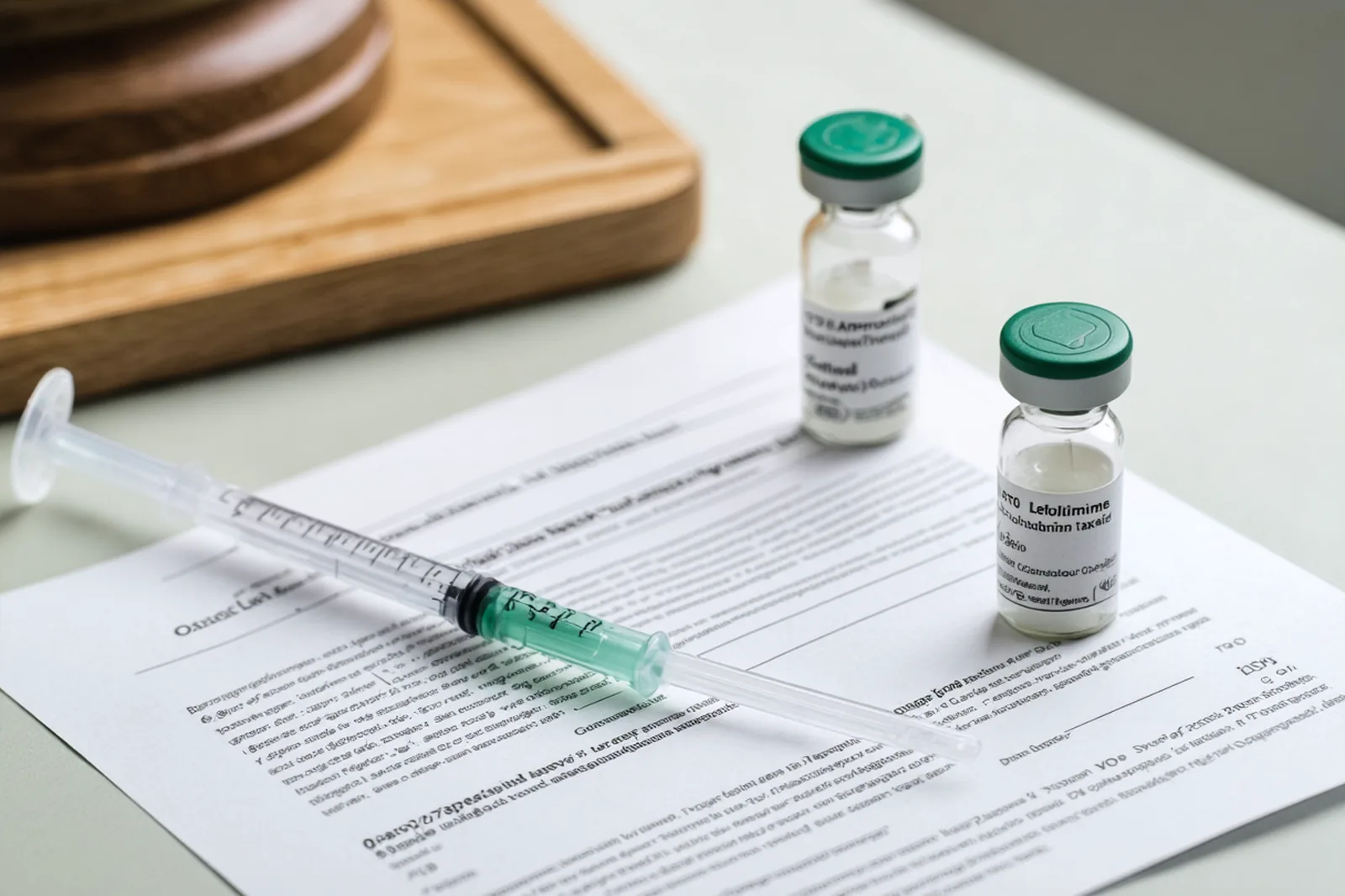
Letybo received FDA 510(k) clearance in September 2023 as the first non-botulinum toxin neuromodulator approved for aesthetic use in the U.S.
Letybo is a small-molecule inhibitor of tyrosine hydroxylase, the rate-limiting enzyme in catecholamine synthesis. Rather than blocking acetylcholine at the neuromuscular junction (the mechanism of Botox, Dysport, Xeomin, and Jeuveau), Letybo reduces the production of dopamine and norepinephrine in motor neurons, indirectly suppressing muscle contraction. The drug is administered via intramuscular injection into facial musculature, similar to toxin delivery.
The 510(k) pathway—rather than a more rigorous PMA—was appropriate because the FDA determined Letybo was substantially equivalent to existing neuromodulators in terms of intended use and safety profile, despite its novel mechanism.
Clinical Data and Onset/Duration
Letybo's Phase 3 trials (SERENITY and SERENITY-2) demonstrated efficacy comparable to Botox. Onset occurs within 3–7 days, with peak effect at 2 weeks—slightly faster than some toxin formulations. Duration is approximately 12 weeks, consistent with standard neuromodulator timelines. Adverse events in trials were mild to moderate and transient: injection-site reactions, headache, and muscle weakness. No systemic safety signals emerged.
The clinical profile makes Letybo functionally interchangeable with existing toxins from a patient-experience standpoint, though the novel mechanism may appeal to patients with rare botulinum toxin hypersensitivity or those seeking a non-toxin alternative for philosophical reasons.
Market Position and Practice Implications
Letybo is manufactured by Revance Therapeutics, the same company behind Revance (a long-acting botulinum toxin). The product is positioned as a premium alternative, not a replacement for Botox or Dysport. Pricing and rebate structures through loyalty programs (Revance has its own rewards platform) remain competitive considerations for practices evaluating inventory and patient cost.
From a regulatory standpoint, Letybo is cleared for the same indications as other neuromodulators: glabellar lines, crow's feet, and forehead wrinkles. Scope of practice and supervision requirements vary by state and credential (MD, DO, NP, PA, RN); FDA approval does not override state-board delegation rules.
Key Takeaway for Owners
Letybo's approval expands the neuromodulator toolkit and offers a genuine mechanism alternative for a subset of patients. However, it does not displace botulinum toxin as the market standard. Practices should evaluate it based on patient demand, rebate economics, and supply-chain relationships with existing manufacturers rather than as a mandatory addition. Verify current pricing, unit equivalency, and loyalty-program terms directly with Revance before committing to inventory.
Frequently asked questions
When did Letybo get FDA approval?
Letybo received FDA 510(k) clearance in September 2023. It was the first non-botulinum toxin neuromodulator approved by the FDA for aesthetic use in the United States, making it a significant regulatory milestone for the industry.
How does Letybo work differently than Botox?
Letybo is a tyrosine hydroxylase inhibitor that reduces dopamine and norepinephrine production in motor neurons, whereas Botox blocks acetylcholine at the neuromuscular junction. Despite the different mechanism, Letybo produces comparable clinical results and is functionally interchangeable with existing toxins from a patient experience standpoint.
How fast does Letybo work and how long does it last?
Letybo onset occurs within 3–7 days with peak effect at 2 weeks, slightly faster than some toxin formulations. Duration is approximately 12 weeks, consistent with standard neuromodulator timelines.
Is Letybo safe? What are the side effects?
Phase 3 trials (SERENITY and SERENITY-2) showed adverse events were mild to moderate and transient, including injection-site reactions, headache, and muscle weakness. No systemic safety signals emerged, and the safety profile was comparable to existing neuromodulators.
Should I stock Letybo instead of Botox or Dysport?
Letybo is positioned as a premium alternative, not a replacement for Botox or Dysport. Practices should evaluate it based on patient demand, rebate economics, and supply-chain relationships rather than as a mandatory addition—verify pricing, unit equivalency, and loyalty-program terms directly with Revance before committing to inventory.
Who can inject Letybo in my state?
FDA approval does not override state-board delegation rules. Scope of practice and supervision requirements for administering Letybo vary by state and credential (MD, DO, NP, PA, RN)—verify your state's regulations before delegating injections to staff.
Free weekly brief
Get the free weekly brief.
The week's most important moves in medical aesthetics — distilled to a two-minute read, free. Unsubscribe in one click.
Free · weekly · unsubscribe anytime. Privacy.
Stay three moves ahead of every practice in your market.
Knowing it happened is table stakes. Inside MedSpa Pro hands you the play — what each move means for your margins, your license, and your patients, and exactly what to do about it — in a two-minute brief every morning. The owners who read it never get blindsided.
Get the edge · $20/moJoin the owners who run ahead of the industry. Cancel anytime, one click.