
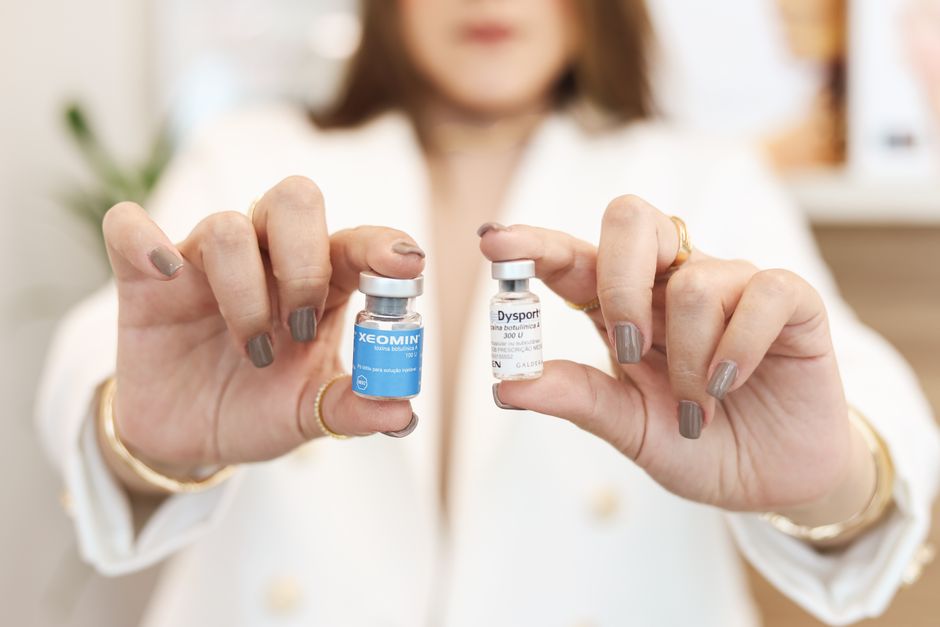
Xeomin (incobotulinumtoxinA) is increasingly cited in clinical and practitioner discussions around neurotoxin resistance—the phenomenon in which repeated toxin exposure triggers antibody formation, reducing efficacy over time. The conversation reflects growing awareness among medspa owners that patient longevity and repeat-visit economics depend partly on toxin selection.
Xeomin's formulation lacks complexing proteins present in other neurotoxins, which proponents argue may lower immunogenicity and reduce resistance risk. However, clinical evidence remains mixed, and resistance rates vary by patient, dosing, and injection technique. The real driver of this conversation is practitioner experience: some owners report better retention and dosing stability with Xeomin in long-term patients.