
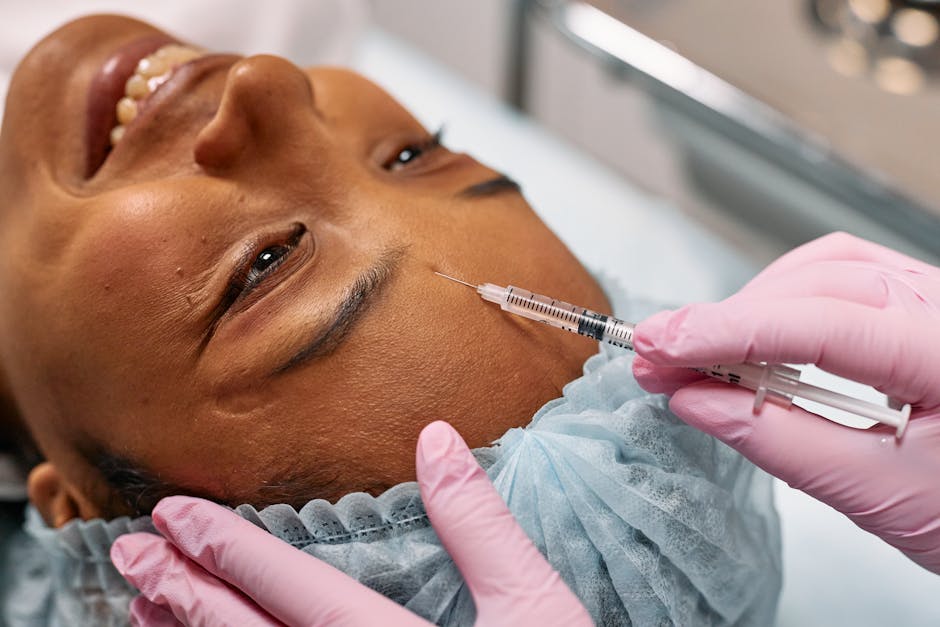
There is a category of expense that owners resist because it produces nothing on a good day, and hyaluronidase is the cleanest example of it. It sits in the fridge. It costs money to stock and to keep adequate. On the overwhelming majority of days it does absolutely nothing — and then, on one day, it is the only thing standing between a routine filler appointment and a tissue necrosis that ends in a disfigured patient, a board complaint, and a lawsuit you cannot win because you weren't ready.
Vascular occlusion — filler inadvertently compromising blood flow — is not an exotic abstraction. It is the foreseeable emergency of any practice that injects hyaluronic acid filler. And being unprepared for a foreseeable emergency is, in both clinical and liability terms, the definition of indefensible.