
GLP-1 receptor agonists (semaglutide, sold as Ozempic and Wegovy, and tirzepatide, sold as Zepbound and Mounjaro) have become a significant revenue opportunity for medspas willing to add a medical-weight-loss vertical. Demand is real: patients already trust you for aesthetic outcomes and are actively seeking non-surgical metabolic solutions. But offering GLP-1 requires a different operational and compliance posture than injectables, and sourcing and reimbursement are fragmented across payers and suppliers. Here's what you need to know before you launch.
Market
Offering GLP-1 Weight Loss at a Medspa: Sourcing, Compliance, and Revenue Model
How to evaluate GLP-1 as a revenue line, manage sourcing and prescriber requirements, and stay compliant with state and federal regulations.
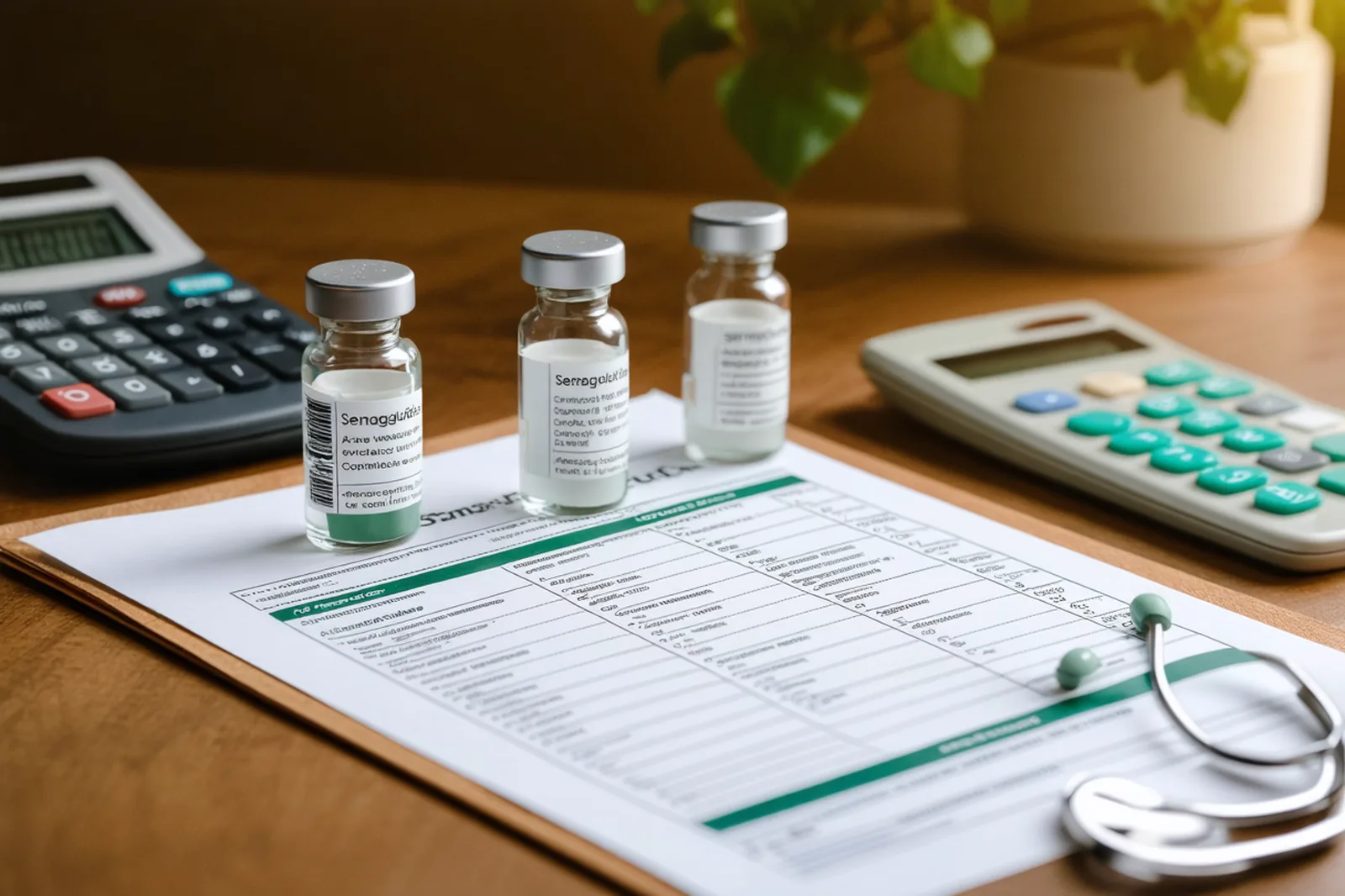
GLP-1 gross margins range from $100–600 per patient per month with branded products, or $150–350 with compounded alternatives, but regulatory and quality risk is yours to manage.
Patient demand for GLP-1 has outpaced supply since 2023. Ozempic shortages have eased, but Wegovy (the FDA-approved weight-loss formulation of semaglutide) remains constrained. Tirzepatide demand is accelerating. Your existing aesthetic patient base, often affluent, outcome-focused, and already comfortable with injectables, represents a warm lead pool. Many will ask you directly. The barrier is operational and regulatory complexity, not patient interest.
Prescriber Requirements and Scope
You cannot prescribe GLP-1 unless you hold an active medical license (MD, DO, NP, or PA with prescriptive authority in your state). If you are a nurse injector or aesthetician without independent prescriptive authority, you must partner with a licensed prescriber, either employed by your practice, contracted as medical director, or part of a telehealth network. Some states allow NPs and PAs to prescribe independently; others require physician oversight. Verify your state's delegation and supervision rules with your state medical board before structuring your model.
The prescriber must conduct a good-faith exam: a documented clinical evaluation that includes weight, BMI, comorbidities (diabetes, hypertension, cardiovascular disease), medication history, and contraindications (personal or family history of medullary thyroid cancer, multiple endocrine neoplasia type 2). Telehealth exams are legally permissible in most states, but the standard of care is rising; some states now require an in-person initial visit. Document everything. Liability exposure is real if a patient experiences pancreatitis, gastroparesis, or thyroid concerns and the exam record is thin.
Sourcing: Pharmacy, Compounding, and Reimbursement
Branded pharmaceutical: Wegovy and Zepbound are FDA-approved, brand-name products. You can dispense them if you hold a pharmacy license or partner with a licensed pharmacy. Cost to you is wholesale; margins are thin (typically 10–20% over acquisition cost). Insurance reimbursement varies widely. Some plans cover Wegovy or Zepbound for BMI ≥30 or ≥27 with comorbidities; others exclude them or require prior authorization. Patient out-of-pocket cost can exceed $1,000 per month if uninsured or underinsured.
Compounded semaglutide and tirzepatide: Compounding pharmacies offer lower-cost alternatives, often $200–400 per month for semaglutide, $300–500 for tirzepatide, but quality, sterility, and potency are unregulated by the FDA. The compounding industry is under increased scrutiny following contamination and dosing-accuracy failures. If you source from a compounder, verify their state pharmacy board license, USP <797> compliance (sterile preparation standards), and third-party potency testing. Liability risk is yours if a patient is harmed. Many practices use compounded GLP-1 to keep patient cost low and margins higher, but you are accepting regulatory and reputational risk.
Telehealth networks: Companies like Ro, Calibrate, and Noom offer white-label or affiliate models where you refer patients or embed their platform into your practice. They handle prescribing, fulfillment, and patient management. Your revenue is typically a referral fee (5–25% of first-month revenue) or a flat per-patient fee. Minimal operational lift, but you cede control of the patient relationship and clinical outcomes.
Revenue Model and Economics
Direct dispensing (branded): Acquire Wegovy or Zepbound at wholesale, dispense at retail, keep the margin. Typical retail price: $1,200–1,500 per month. Wholesale cost: ~$900–1,100. Gross margin: $100–600 per patient per month. You must manage inventory, expiration, and cold-chain logistics. Reimbursement is unpredictable; most cash-pay patients will be self-funded.
Compounded model: Lower acquisition cost ($150–250 per month for you), higher gross margin ($150–350 per patient per month), but regulatory and quality risk. Patient cost is attractive (often $300–500 per month), which drives volume, but you absorb liability.
Telehealth affiliate: Minimal upfront cost, no inventory or dispensing license required, but lower per-patient revenue ($50–200 per referral). Suitable if you want to test demand without infrastructure investment.
Subscription or retainer model: Some practices charge a monthly "weight-loss management fee" ($150–300) separate from the GLP-1 cost, bundling in nutrition counseling, behavioral coaching, and lab monitoring. This stacks revenue and deepens patient engagement.
Compliance and Risk Management
GLP-1 prescribing carries real regulation, but enforcement is inconsistent. The FDA has issued warnings about compounded GLP-1 products and telehealth prescribing without adequate exams. State medical boards are beginning to scrutinize medspas offering GLP-1 without clear medical oversight. Best practices:
- Ensure your prescriber is licensed, credentialed, and actively involved in patient exams and follow-up.
- Document every exam, contraindication check, and informed consent.
- If using compounded products, source only from state-licensed, USP <797>-compliant pharmacies with third-party testing.
- Implement patient monitoring: weight, vital signs, side effects, and labs (fasting glucose, lipids, thyroid function if indicated) at baseline and regular intervals.
- Carry professional liability insurance that covers weight-loss prescribing; many standard medspa policies exclude it.
- Disclose the off-label or compounded status of any product to patients in writing.
The Bottom Line
GLP-1 is a high-demand, high-margin revenue opportunity, but it requires clinical infrastructure, prescriber involvement, and regulatory discipline that many aesthetic practices lack. If you have a licensed prescriber on staff or under contract, branded or compounded sourcing is viable. If not, a telehealth affiliate model lets you capture referral revenue with minimal risk. Either way, document rigorously, source carefully, and insure comprehensively. The market is moving fast; compliance standards will tighten.
Frequently asked questions
Do I need a medical license to prescribe GLP-1 at my medspa?
You must hold an active medical license (MD, DO, NP, or PA with prescriptive authority) to prescribe GLP-1. If you're a nurse injector or aesthetician without independent prescriptive authority, you must partner with a licensed prescriber, either employed, contracted as medical director, or part of a telehealth network. Verify your state's delegation rules with your state medical board, as some states require physician oversight for NPs and PAs.
What does a good-faith GLP-1 exam need to include?
The prescriber must document weight, BMI, comorbidities (diabetes, hypertension, cardiovascular disease), medication history, and contraindications including personal or family history of medullary thyroid cancer or multiple endocrine neoplasia type 2. Telehealth exams are legally permissible in most states, but some now require an in-person initial visit. Thin documentation creates liability exposure if a patient experiences pancreatitis, gastroparesis, or thyroid issues.
What's the difference between branded and compounded GLP-1 for my medspa?
Branded products (Wegovy, Zepbound) are FDA-approved with regulated quality but offer thin margins (10–20%) and variable insurance coverage; patient out-of-pocket can exceed $1,000/month. Compounded semaglutide ($200–400/month) and tirzepatide ($300–500/month) are cheaper but unregulated by the FDA, so you assume liability for quality, sterility, and potency. If using a compounder, verify state pharmacy board license, USP <797> compliance, and third-party potency testing.
Does insurance cover Wegovy and Zepbound?
Coverage varies widely by plan. Some insurers cover Wegovy or Zepbound for BMI ≥30 or ≥27 with comorbidities; others exclude them or require prior authorization. Many patients are uninsured or underinsured for these medications, making cash-pay pricing a significant barrier. Check individual plan requirements before promising coverage to patients.
What compliance risks come with offering GLP-1 at a medspa?
GLP-1 requires a different operational and compliance posture than injectables: prescriber licensing, good-faith exams, and proper documentation are non-negotiable. If sourcing from compounders, you accept regulatory and reputational risk for quality and sterility failures. Liability exposure is real if patients experience adverse events (pancreatitis, gastroparesis) and your exam or sourcing records are inadequate.
How much margin can I make on GLP-1 compared to injectables?
Branded GLP-1 margins are thin (10–20% over acquisition cost), significantly lower than typical aesthetic injectables. Compounded GLP-1 offers higher margins due to lower acquisition cost, but you're accepting regulatory and liability risk. The real revenue opportunity lies in patient retention and upsell to aesthetic services, not GLP-1 margins alone.
Free alerts
Free: recall & rule-change alerts for your practice.
Get the recalls and state-law changes that hit your treatment room, in your inbox — free. Unsubscribe in one click.
Free · weekly · unsubscribe anytime. Privacy.
Stay three moves ahead of every practice in your market.
Knowing it happened is table stakes. Inside MedSpa Pro hands you the play — what each move means for your margins, your license, and your patients, and exactly what to do about it — in a two-minute brief, twice a week. The owners who read it never get blindsided.
Get the edge · $20/moJoin the owners who run ahead of the industry. Cancel anytime, one click.